Boost Your Online Visibility: Mastering the Art of Optimizing Blog Posts for Google Ranking
Welcome to the world of search engine optimization (SEO)! If you're looking to increase your blog's online visibility, drive more traffic, and boost your Google ranking, you've come to the right place. In this step-by-step tutorial, we'll show you how to optimize your blog posts for Google like a pro. From keyword research to content creation, meta tags to link building, we'll cover it all. By the end of this article, you'll have a solid understanding of how to optimize your blog posts for better search engine ranking and increased online presence.
Step 1: Conducting Keyword Research for Google Ranking
Before you start writing your blog post, it's essential to conduct keyword research to identify relevant and high-traffic search terms. You can use tools like Google Keyword Planner, Ahrefs, or SEMrush to find the best keywords for your content. For example, if you're writing a blog post about "summer fashion trends," you can use keywords like "summer fashion," "fashion trends," or "summer clothing." Remember to choose keywords that have a high search volume and low competition. 
Step 2: Writing SEO-Friendly Blog Post Titles for Google
Your blog post title is one of the most critical elements of your content. It's what shows up in search engine results pages (SERPs) and entices users to click on your link. To write an SEO-friendly title, make sure it's descriptive, attention-grabbing, and includes your target keyword. For example, "Summer Fashion Trends: Top 10 Must-Have Pieces for a Stylish Season" is a great title that includes the keyword "summer fashion trends." Keep your title concise, preferably under 60 characters, and make sure it accurately reflects the content of your blog post. 
Step 3: Creating High-Quality, Engaging Content for Google Ranking
Now it's time to write your blog post! When creating content, make sure it's high-quality, engaging, and provides value to your readers. Use a conversational tone, break up your content with headings and subheadings, and include relevant images and videos. Don't forget to optimize your images by using descriptive alt tags and file names that include your target keyword. For example, if your target keyword is "summer fashion trends," you can use an alt tag like "summer fashion trends for women" or "latest summer clothing trends." 
Step 4: Optimizing Meta Tags for Better Google Ranking
Meta tags are HTML elements that provide search engines with information about your blog post. The two most important meta tags are the meta title and meta description. Your meta title should be the same as your blog post title, while your meta description should be a brief summary of your content. Make sure your meta description is under 160 characters and includes your target keyword. For example, "Discover the latest summer fashion trends and must-have pieces for a stylish season. Learn how to stay on-trend and look great all summer long." 
Step 5: Building High-Quality Backlinks for Google Ranking
Backlinks are links from other websites to your blog post. They're a crucial ranking factor, as they signal to search engines that your content is high-quality and relevant. To build backlinks, you can guest post on other blogs, participate in online communities, or reach out to other websites in your niche. Make sure the links are from high-authority websites and are relevant to your content. For example, if you're writing about summer fashion trends, you can reach out to fashion bloggers or websites and ask them to link to your blog post. 
Step 6: Optimizing Your Blog Post for Mobile Devices and Page Speed
With more and more users accessing the internet through their mobile devices, it's essential to ensure that your blog post is optimized for mobile. Make sure your website is responsive, and your content is easily readable on smaller screens. You should also optimize your page speed, as slow-loading pages can negatively impact your search engine ranking. Use tools like Google PageSpeed Insights to identify areas for improvement and optimize your images, minify your code, and leverage browser caching. 
Step 7: Tracking Your Blog Post's Performance and Analyzing Data
Once you've optimized your blog post, it's essential to track its performance and analyze the data. Use tools like Google Analytics to monitor your website traffic, engagement, and conversion rates. You can also use tools like Ahrefs or SEMrush to track your keyword ranking and backlinks. This data will help you identify areas for improvement and make data-driven decisions to increase your blog post's visibility and ranking. 
Frequently Asked Questions (FAQs)
Q: How long does it take to see results from optimizing my blog post for Google ranking?
A: It can take anywhere from a few days to several weeks to see results from optimizing your blog post. It depends on various factors, including the quality of your content, the competitiveness of your keyword, and the authority of your website.
Q: What's the most important factor in optimizing my blog post for Google ranking?
A: The most important factor is creating high-quality, engaging, and relevant content that provides value to your readers. This will help you attract and retain a clearly defined audience and drive more traffic to your website.
Q: How often should I update my blog post to maintain its ranking?
A: You should update your blog post regularly to keep it fresh and relevant. This can be as simple as updating your meta tags, adding new images, or rewriting your content to make it more engaging and informative.
11 Easy-to-Follow Tips To Optimize Your Blog Posts For SEO
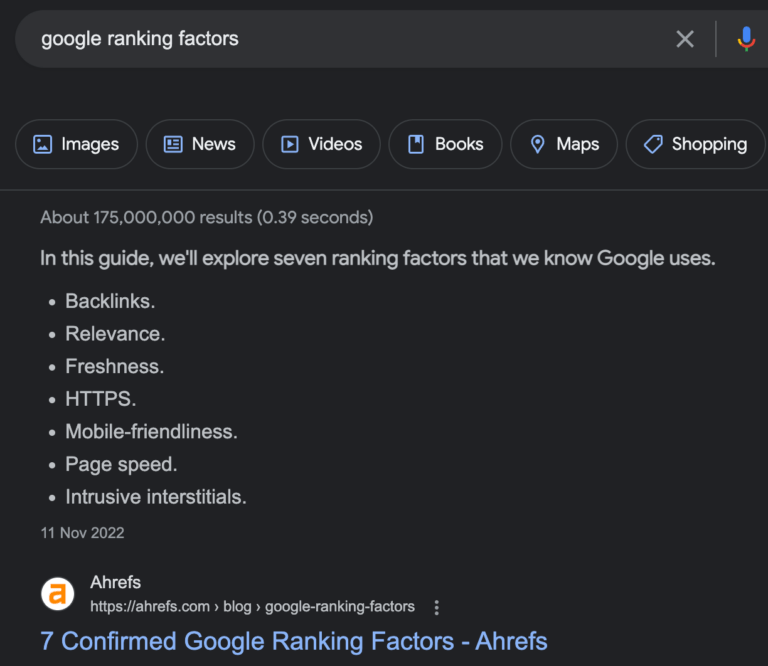
11 Easy-to-Follow Tips to Optimize Your Blog Posts for SEO
Mod 3: How To Write SEO Ranking Blog Posts |Optimizing Posts For

Mod 3: How To Write SEO Ranking Blog Posts |Optimizing Posts For ...
How To Optimize Your Blog According To Google Ranking

How To Optimize Your Blog According To Google Ranking